

Delegation to Lithuania’s Seimas reiterates strong UK bilateral ties with a focus on defence and security
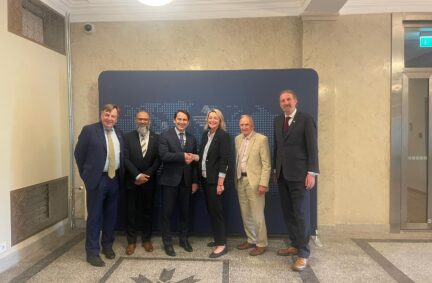
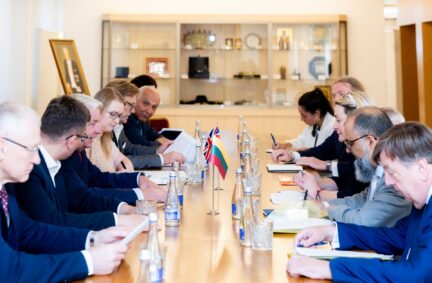
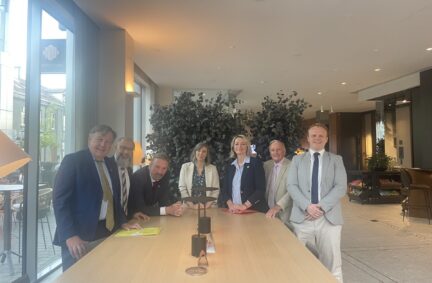
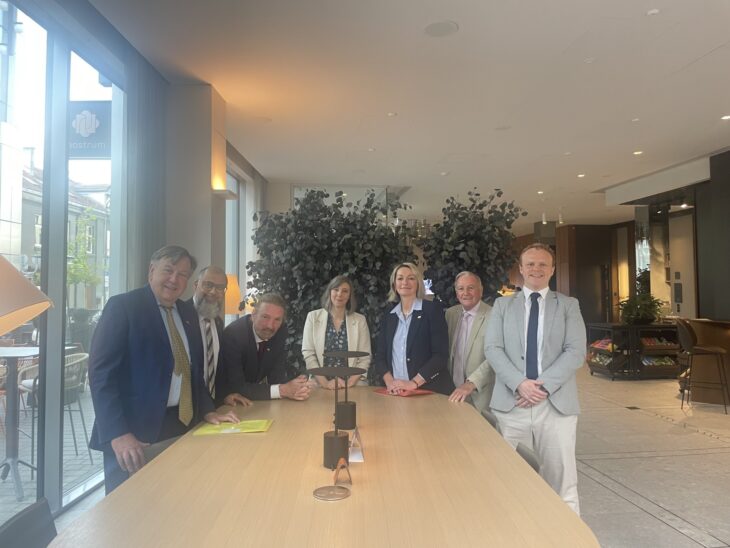
Between the 24th and the 27th June, I had the great privilege of leading a small, cross-party delegation of Parliamentarians from both houses to Lithuania.
The group was made up of Lord Malcolm Bruce of Bennachie (Lib Dem), and MPs Sir John Whittingdale (Conservative and Chair of the All-Party Parliamentary Group on Lithuania), Iqbal Mohamed (Independent), Chris Law (SNP) and myself as the Labour member. And our thanks as always to the excellent team at the BGIPU – especially our highly efficient International Project Manager, Chiara De Vita – and to both embassies for putting together an interesting and timely visit.
Hot on the heels of an inward delegation from Lithuania in November, the purpose of our visit was to strengthen Parliamentary ties and, in particular, to broaden our understanding of the current security situation following FCDO Minister Stephen Doughty’s visit in January.
The UK recognised Lithuanian statehood in 1921, supporting its war for independence from Bolshevik Russia. In 2022 we celebrated 100 years of bilateral relations. The UK refused to recognise Soviet annexation during World War II following Nazi occupation, supported re-independence in 1991, and championed accession to the EU and NATO. The UK and Lithuania remain strong allies in NATO, and Lithuania is a strong advocate for the UK in the EU with practical cooperation on security via NATO, the Coalition of the Willing for Ukraine and the UK-led Joint Expeditionary Force.
There was certainly much to talk about and share with Lithuanian colleagues. Not least because, during the week we visited, the Prime Ministers of both our countries resigned to be replaced (potentially) by regional Mayors.
Although personnel is clearly changing in both countries, we were able to reassure each other that our strong desire to cooperate closely on Ukraine and the common security threat posed by Russia would not change.
This was clearly the main theme of our few days in Vilnius. Our visit to the Museum of Occupations and Freedom Fights was a truly sobering reminder of the brutality of the Communist and Nazi regimes. With the upper floors charting the occupations through photographs, intercepted letters, deportation lists, and the paraphernalia of surveillance. I think I can speak for all of us in saying how deeply we felt the experience of visiting the KGB prison – real spaces where thousands of Lithuanians were interrogated, imprisoned and killed. Almost everyone we met had a living story to tell of relatives who had suffered and were sent to Siberia. Lithuania remembers the cost, and we understood how keenly the Russian threat is felt today.
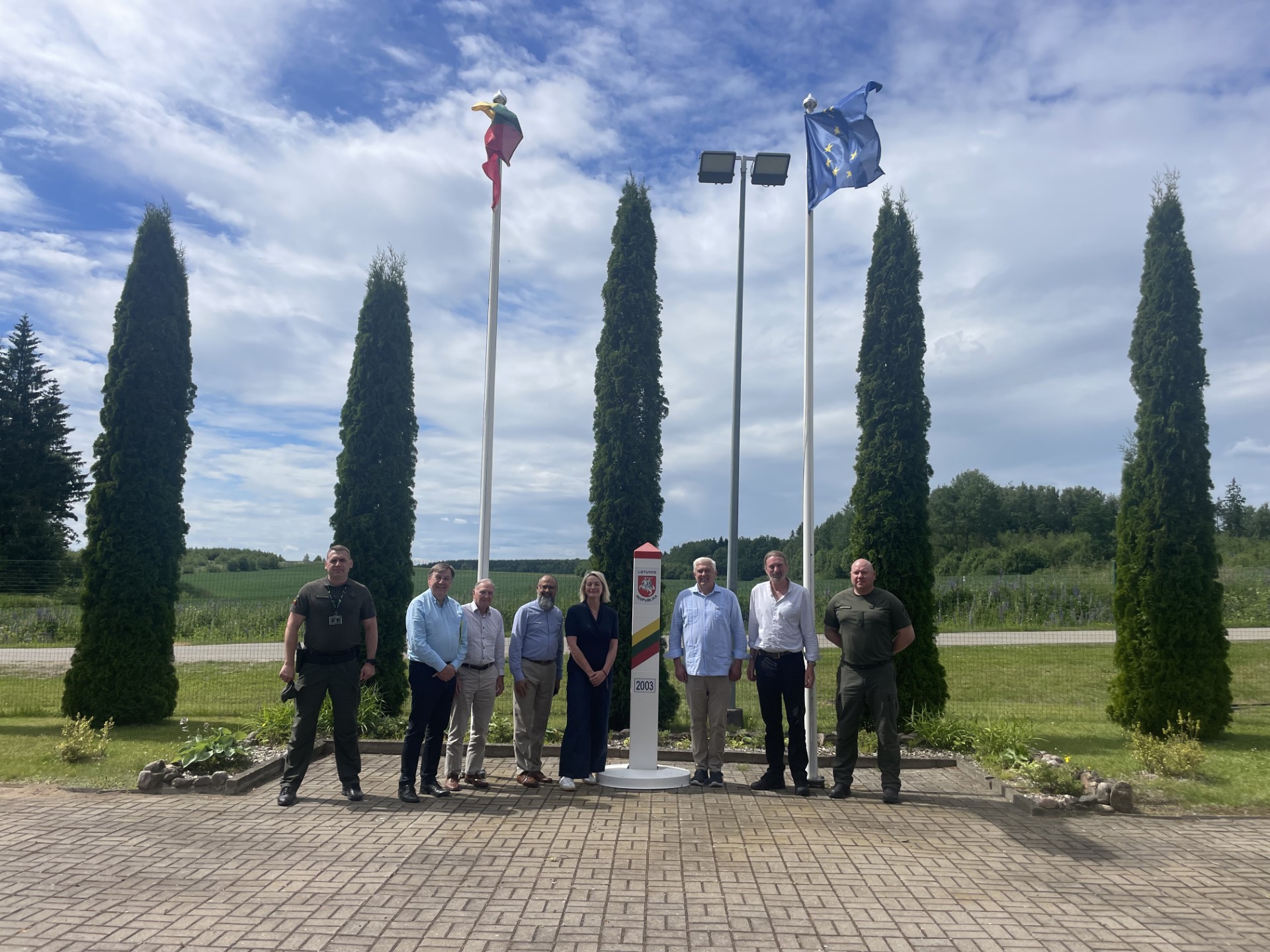
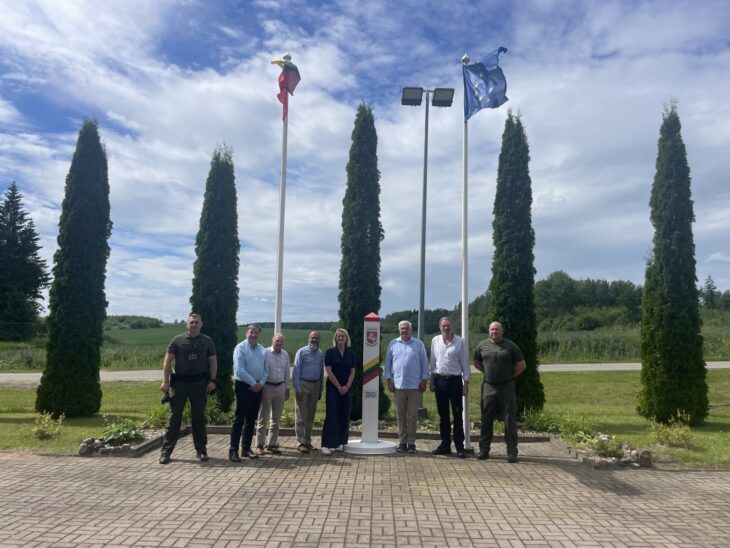
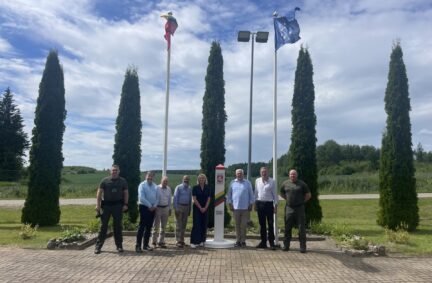
Padvarionys Frontier Station on the border with Belarus set the context for the discussions with the Friendship Group and the Foreign Affairs Committee who we were grateful to meet with. Here, we had the chance to see up close the threats on NATO’s eastern flank. It was impossible not to be struck by the daily threat to Lithuania from its borders with Belarus and with Russia at Kaliningrad. We touched the border fence erected in just 9 months covering part of the total border length of 176,583 kilometres, and we were able to examine drones and balloons used for smuggling, as well as watch footage of the weaponised migration instigated by Belarus in 2021. Our thanks to the border team for bringing home to us the daily hybrid threats faced by Lithuanians so close to Vilnius, which also include cyber-attacks and the spreading of disinformation.
A few weeks before our visit, Lithuania also faced drone-related airspace alerts. On the 20th May, residents in Vilnius were told to shelter, NATO jets were scrambled and rail and air travel was suspended before an all clear was issued. We heard how the wider Baltic pattern of drones linked to Russia straying into allied airspace had tested Lithuania’s deterrence and preparedness.
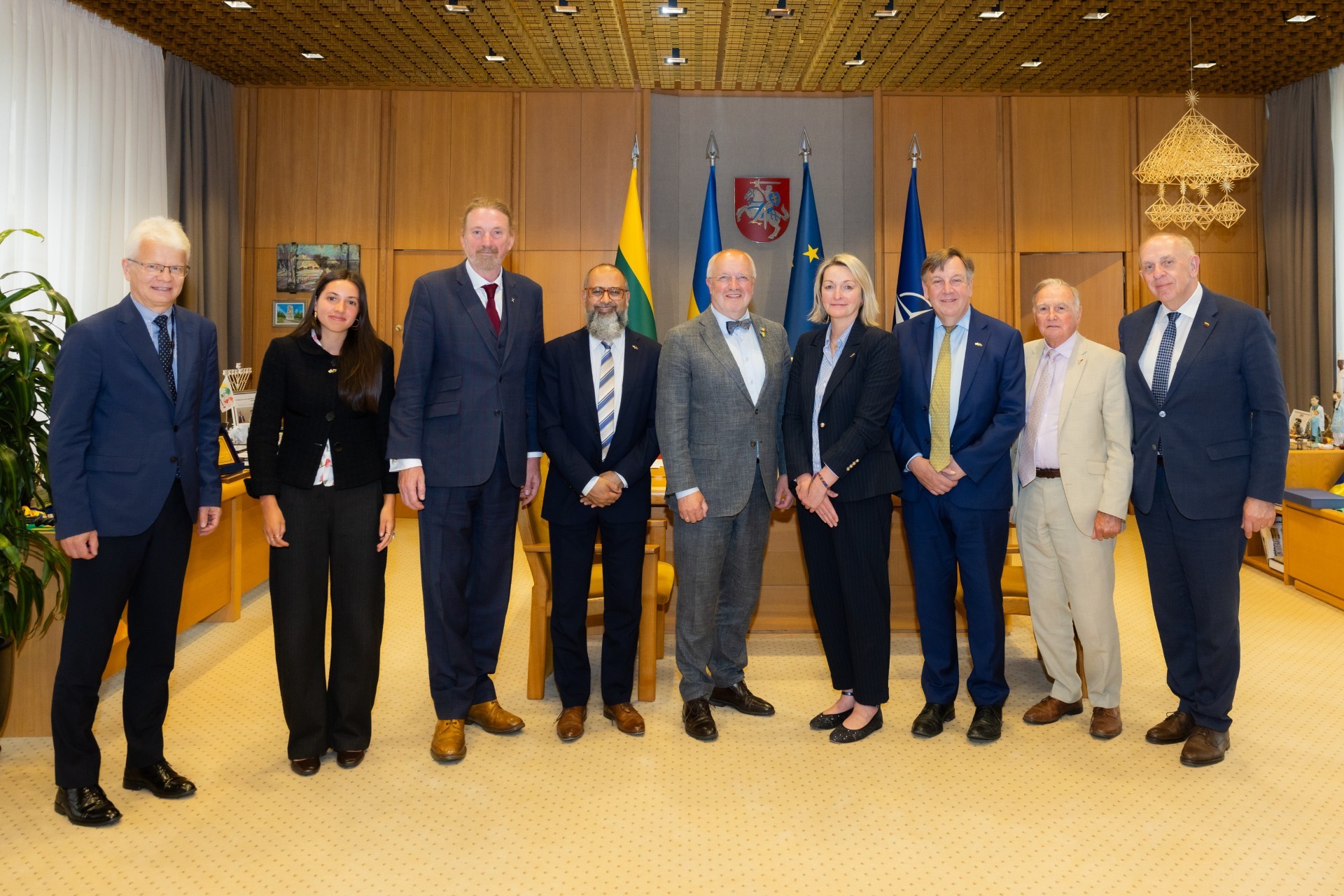
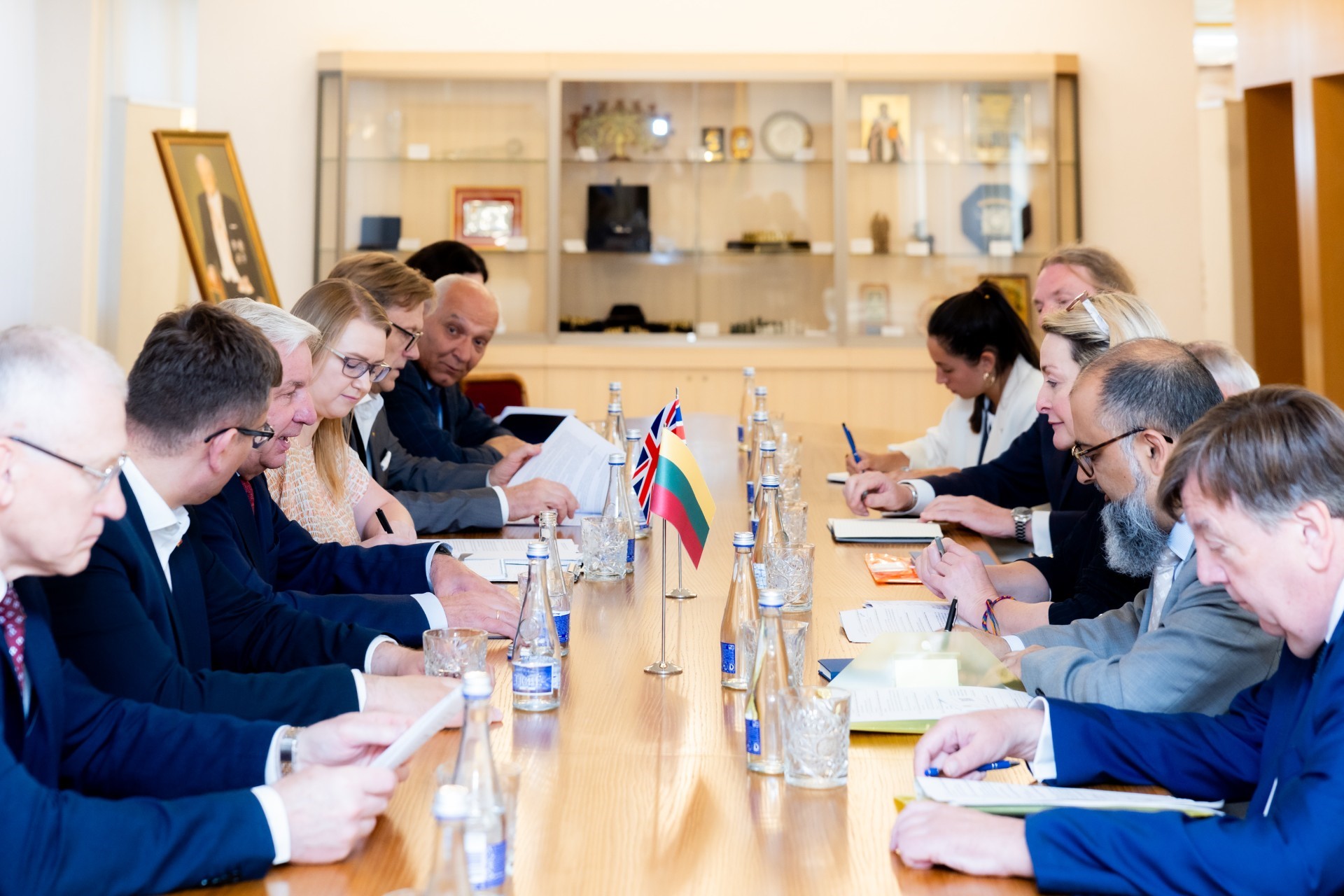
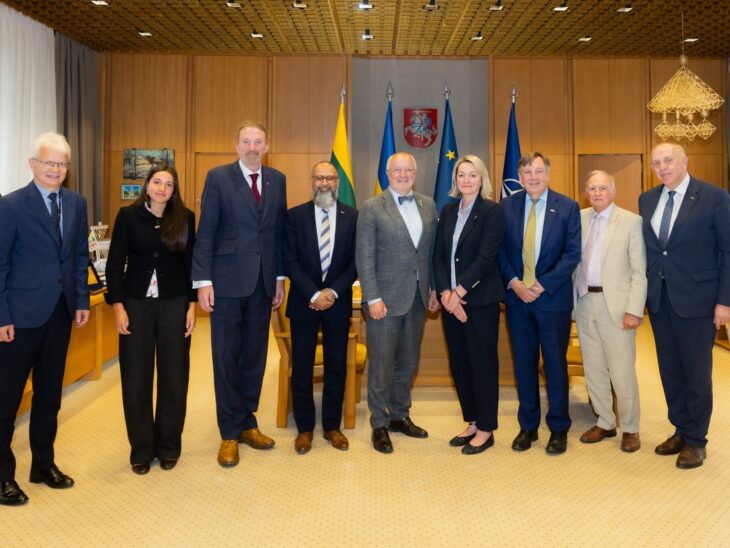
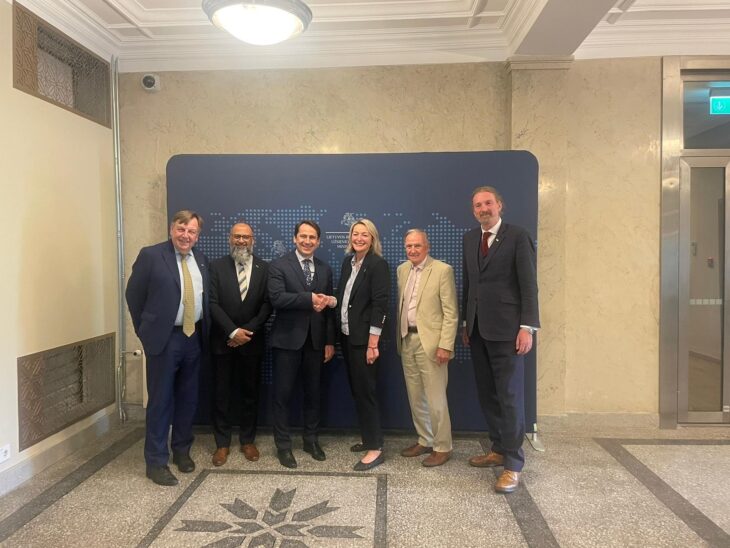
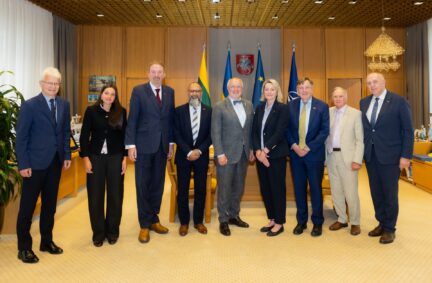
In our meetings with the Vice-Minister for Foreign Affairs Sigitas Mitkus, Defence Minister Robertas Kaunas MP and the Speaker Juozas Olekas MP, we discussed our common goal to increase defence spending – although Lithuania clearly dwarfs our defence budget as they are about to become the biggest spender proportionally in NATO at 5.38%. Following a week of our own discussions in the UK on the Defence Investment Plan, it was timely to learn more about the political consensus which had developed over the large uplift in spending, and also to understand the societal awareness of why this was important. It’s fair to say we have lessons to learn in the UK both in terms of increasing defence spending and communicating the threats we face.
Our thanks also to the Vice-Minister for Energy, Gabriel Gorbačevski, for providing us with an understanding of Lithuania’s journey to energy independence from Russia. Lithuania is significantly ahead of other countries in this respect through developing the interconnector with Poland and a growth in renewables, which is of course a common goal across Europe. We also had discussions on protecting energy infrastructure from sabotage, followed by an interesting visit to the NATO Energy Security Centre of Excellence which is looking strategically at risks to energy supply and demand for military and civil use.
Our final visit was to Invest Lithuania. Lithuania has one of the fastest growing economies in the EU, and it was helpful for us all to understand how the Government and agencies have supported growth in AI innovation and burgeoning fintech, advanced manufacturing, life sciences, and cyber security sectors.
I think we would all agree that it was a shame the regular direct flight to Vilnius had been cancelled from London City Airport. In our few short days we were certainly struck by Lithuania’s potential to grow as a tourist destination from the UK with the old town a UNESCO World Heritage Site, a fantastic castle at Trakai, and beautiful forests, coastlines and food.
With 10 per cent of the Lithuanian population living in the UK, our people-to-people links are good and John Whittingdale aims to develop Parliamentary links through an All-Party Group visit soon. Being Welsh, I know a somewhat challenging language when I hear one, so I shall merely attempt an “ačiū” (thank you) to all those we met and who worked on our programme. We hope to deepen those friendships for the benefit of our two countries in the times ahead.
We return knowing our security in the UK depends on what happens in countries on the front line like Lithuania, and that as UK Parliamentarians it is our duty with our government to support our friends in times ahead.
Good luck to Lithuania as it takes on the chair of the EU Council.
Meeting with the Speaker of Seimas of the Republic of Lithuania, Mr Juozas Olekas MP.
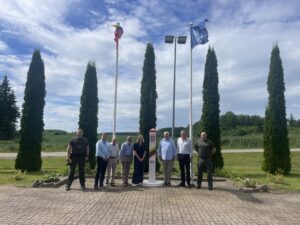
Parliamentarians visit the Padvarionys Frontier Station on the Belarusian border.
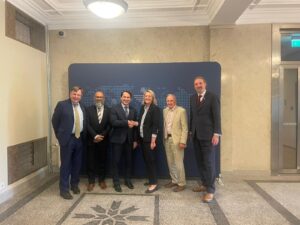
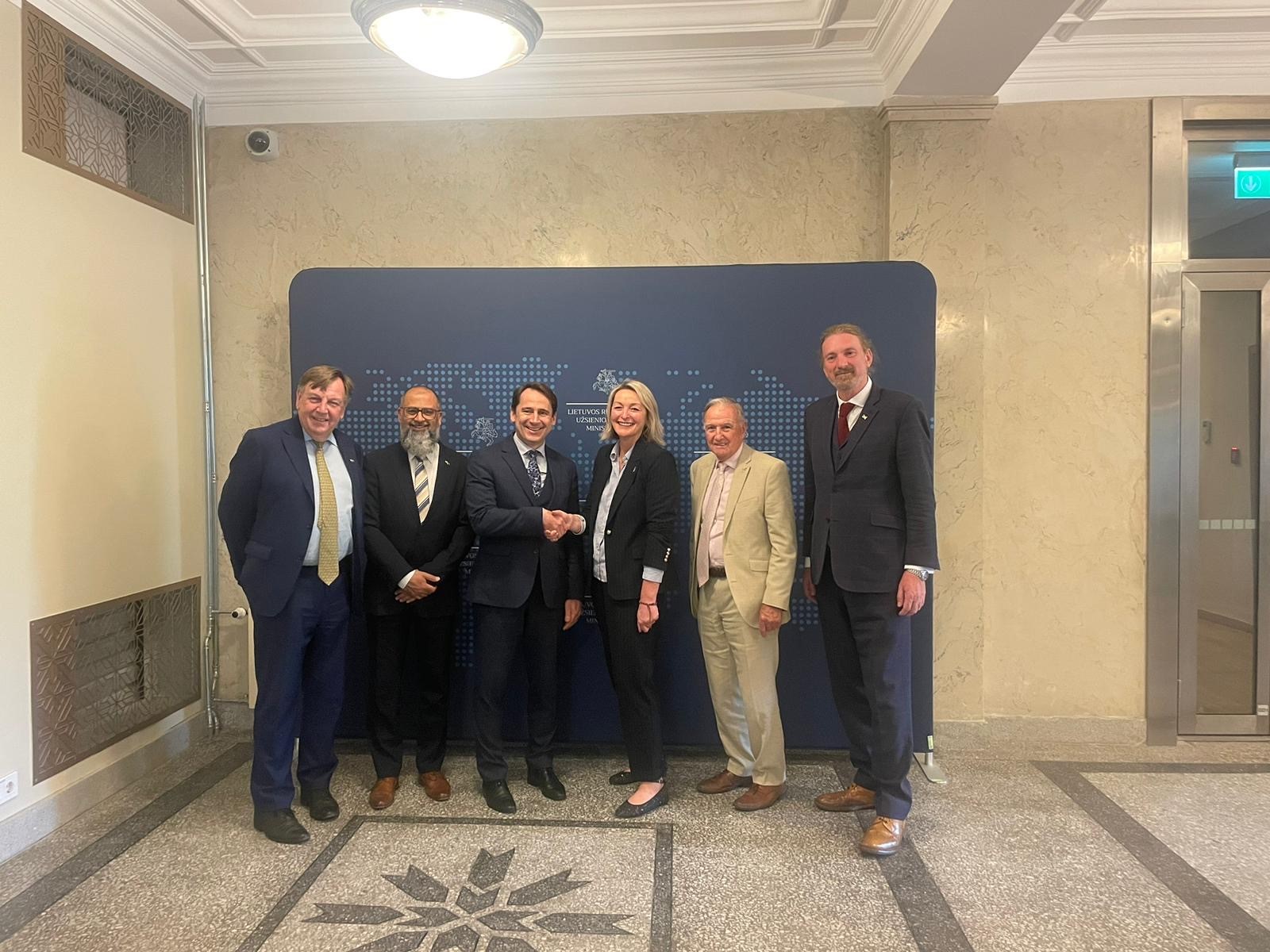
Parliamentarians meet with the Vice-Minister of Foreign Affairs, Mr. Sigitas Mitkus.
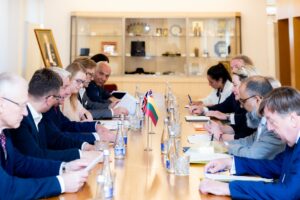
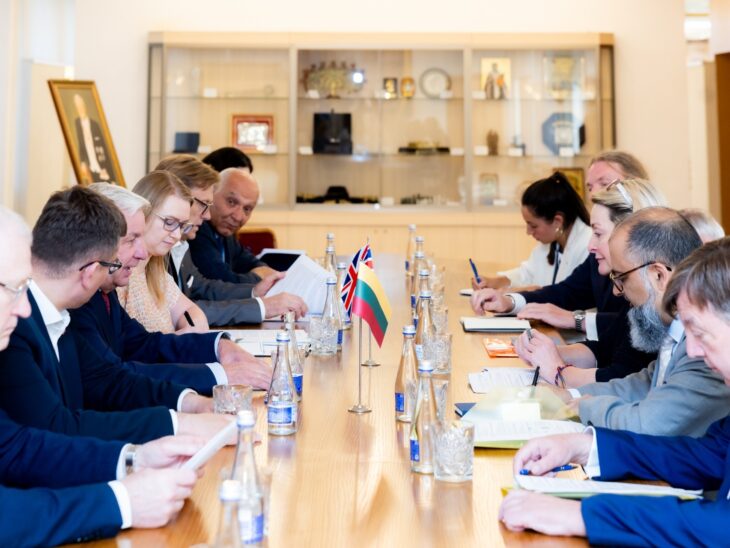
Parliamentarians engage in a meeting with the Seimas Committee on National Security
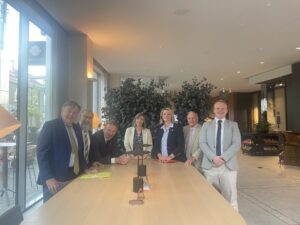
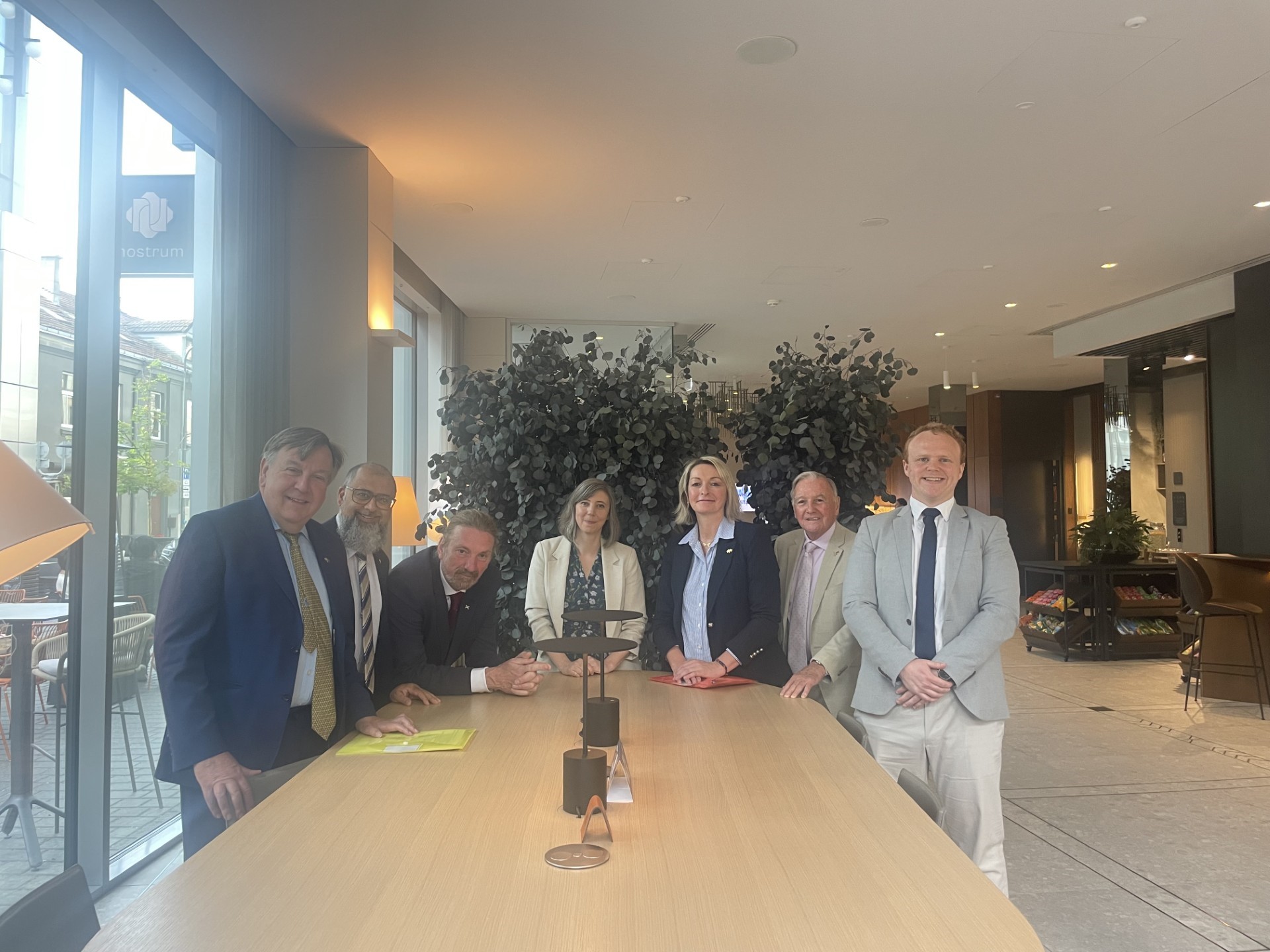
Parliamentarians received a briefing by the British Embassy Vilnius.