


Comoros, Tonga and Mongolia: Three countries trying to make the world safer
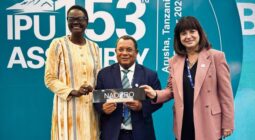
The IPU encourages and supports parliaments in their work to approve and implement existing treaties and conventions designed to limit the threat from chemical, biological and nuclear weapons. In 2025, after a high-level seminar organized by the IPU and United Nations Office for Disarmament Affairs (UNODA) on the Biological Weapons Convention (BWC), Comoros formally presented its instrument of accession. The presentation, which came during the meeting itself, was a welcome example of immediate impact, where technical support and political momentum aligned in real time.
“Comoros is somewhat isolated and exposed – but we also occupy an important geostrategic position,” says Mohamed Ahamada Baco, MP and First Vice-President of the Assembly of the Union of Comoros. “It’s in our interest to think about national security to protect ourselves from all forms of attack. It was important for Comoros to join the BWC to participate in the campaign against the proliferation of biological weapons and the mass destruction or disarmament of these weapons for a more balanced, secure and equitable world.”
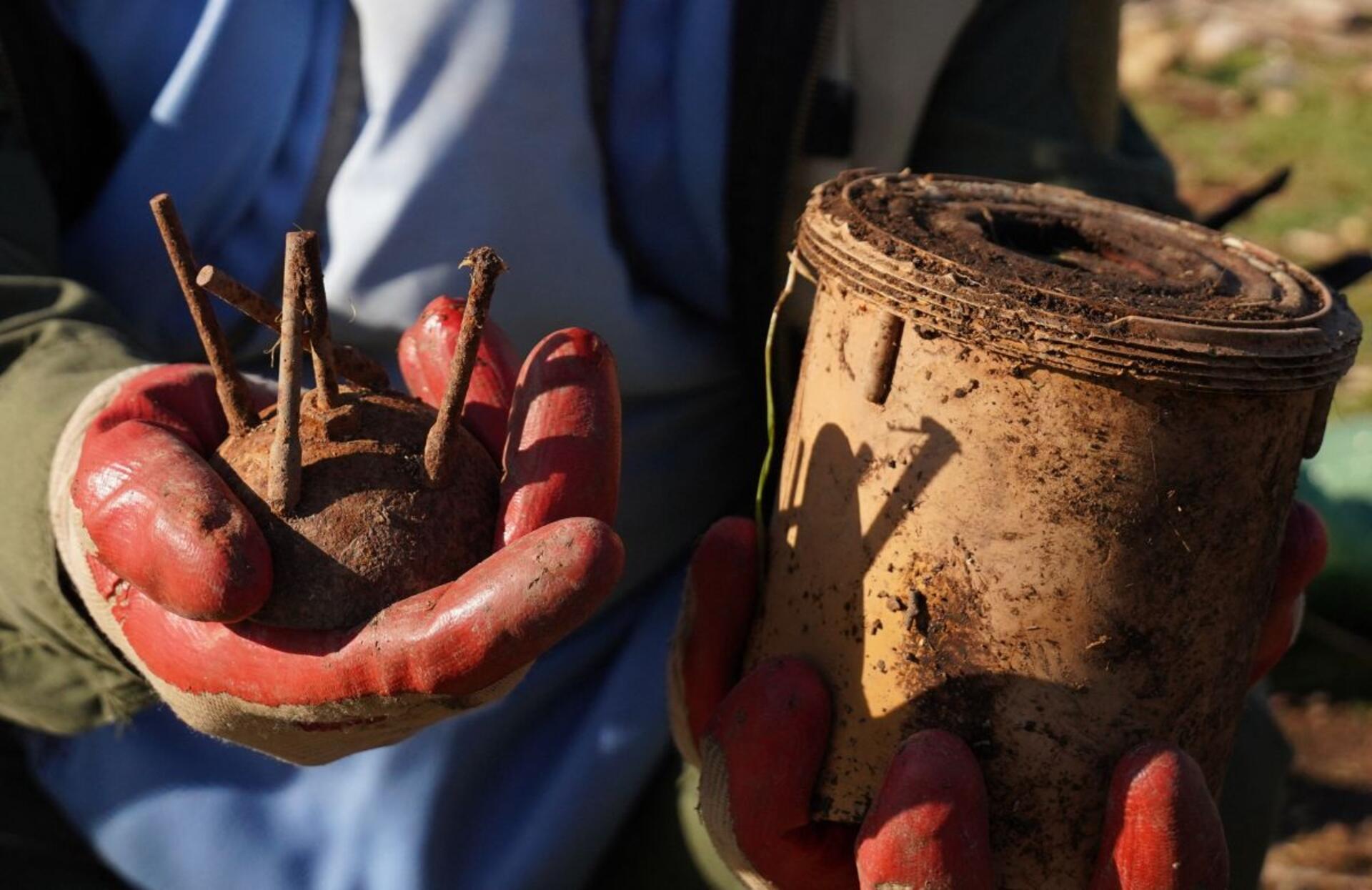
Tonga has also been a powerful example of IPU support for MPs pushing their governments to ratify international humanitarian law treaties. After sustained diplomacy by the IPU and national MPs – together with the International Committee of the Red Cross and the Convention’s Implementation Support Unit, Tonga finally ratified the Anti-Personnel Mine Ban Convention (APMBC), known as the Ottawa Treaty.
“I visited Cambodia and saw first hand the victims who suffer from anti-personnel mines from previous wars,” says Tevita Fatafehi Puloka, an MP from Tonga who championed the accession process through Parliament. “It really hit me and touched me personally. When I found out that Tonga had not yet acceded to the Ottawa Treaty, I felt it was my obligation to push the Government to sign.”
The IPU has been raising awareness among parliaments and MPs on the universalization of the APMBC since 2021. Tonga’s accession shows that persistence, relationship-building and local leadership pays off. Together with the Marshall Islands, it was the first new accession to the Ottawa Treaty for more than seven years.
The IPU hopes that the Ottawa Treaty will open the door to further engagement and that Tonga may now go on to join other treaties.
Quiet persistence also paid off in 2025, when Mongolia ratified the 2005 Amendment to the Convention on the Physical Protection of Nuclear Material. The Amendment requires signatories to protect nuclear facilities and material in peaceful domestic use, storage and transport. As a direct result of Mongolia’s participation at an IPU high-level seminar, organized together with the Vienna Center for Disarmament and Non-Proliferation, the Government of Mongolia ratified the Amendment.
“Global geopolitical tensions are deepening, fuelling conflict and heightening nuclear risks,” said Tsengeg Mijiddorj, Mongolia’s Permanent Representative to the International Atomic Energy Agency. “Mongolia attaches a great importance to nuclear security and safety, safeguards and the peaceful application of nuclear science and technology.”
Comoros, Tonga and Mongolia are three very different countries with different parliamentary systems. However, they all share a desire to work with, and be supported by, the IPU in their quest for greater peace and security.
The IPU encourages parliaments to approve ratification of the Anti-Personnel Mine Ban Convention. © Fariq Faraj Mahmood/Anadolu/AFP