

Delegation identifies areas where the UK and Kazakhstan can deepen cooperation and share expertise
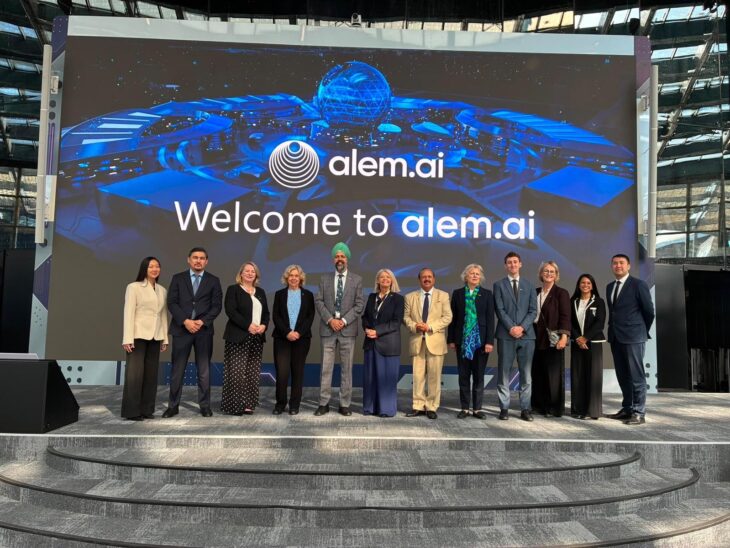
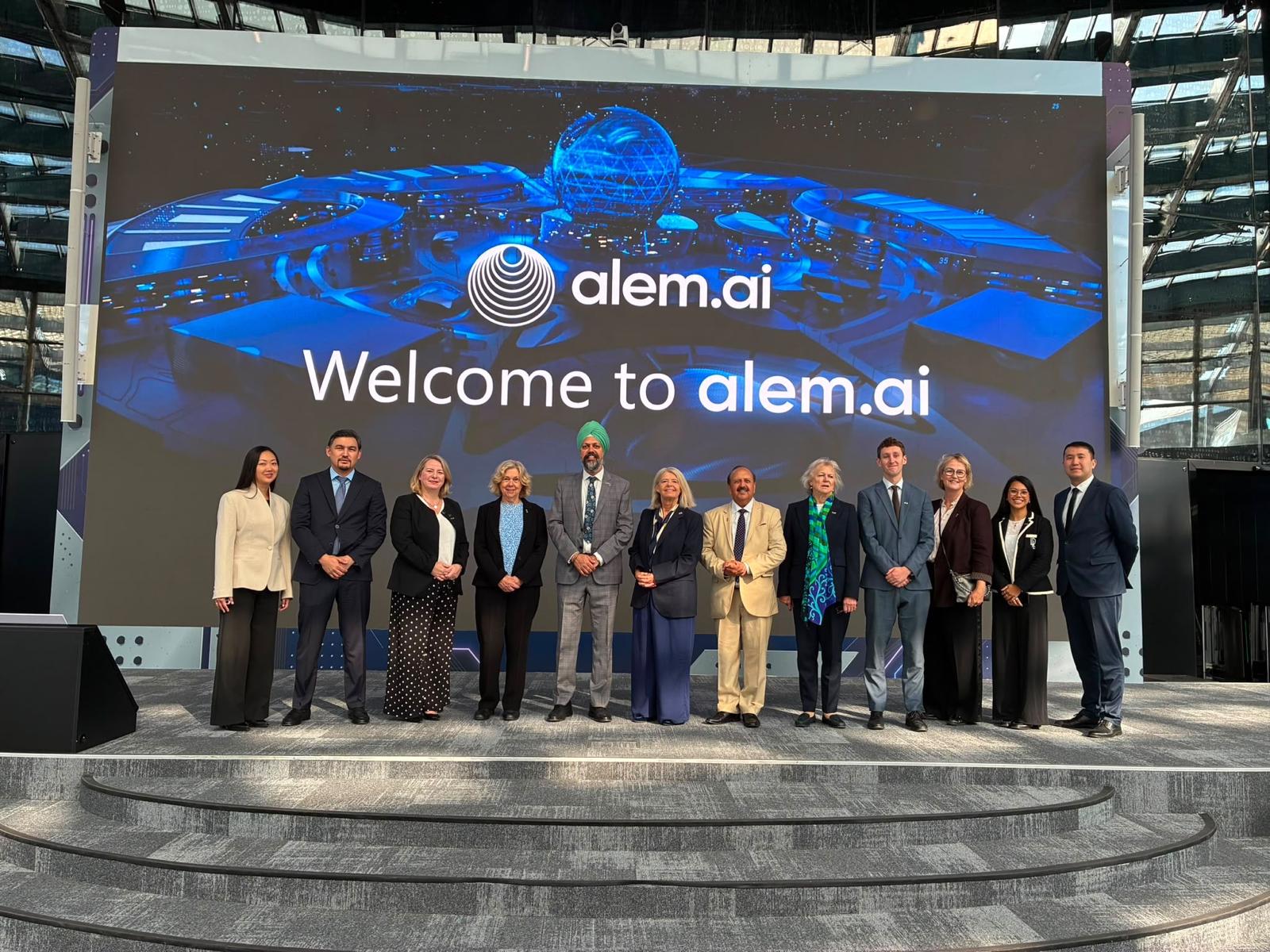
UK parliamentarians visit Alem AI, an international artificial intelligence centre, to learn more about Kazakhstan’s flagship initiative for digital innovation and technological development.
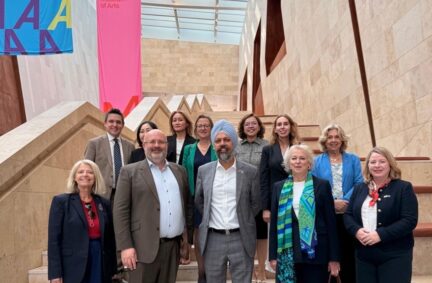
At the heart of Central Asia, Kazakhstan sits between two hugely influential nations in the current geopolitical climate. From 19-25 September, I had the privilege of leading a British Group Inter-Parliamentary Union (BGIPU) visit to Kazakhstan, the first international delegation received by the newly constituted Kazakh Parliament – the Kurultai. The visit, which was attended by Dame Harriett Baldwin MP (Conservative), Kirsteen Sullivan MP (Labour), Rt Hon Baroness Northover (Liberal Democrats), Baroness Hodgson (Conservative) and Lord Hussain (Liberal Democrats) was highly successful and further strengthened Parliamentary and diplomatic ties between the UK and Kazakhstan.
During the delegation, we visited two cities: Astana and Almaty. Here, we met various key stakeholders including Parliamentarians, government ministers, business leaders and academics to gain a deeper understanding of Kazakhstan’s development and explore opportunities to strengthen the relationship between our two countries.
Our visit began in the capital, Astana, where on our first full day, we visited the Nursultan Mosque. As the largest mosque in Central Asia, and one of the largest in the world, it was an immense privilege to speak with Mr Bizhigit Koishiyev, Adviser to the Supreme Mufti of the Spiritual Administration of Muslims of Kazakhstan to discuss the mosque’s role in the Kazakh community, and initiatives to counter religious extremism. The mosque was truly a spectacular sight and encapsulates the rich spiritual history of the country.
Following this, we visited the ALZHIR Memorial Complex, the former Stalinist detention camp for the wives and children of those labelled “traitors to the homeland”. Here, the delegation and I learnt how women were imprisoned solely due to their association with political prisoners and heard harrowing testimony from records as to the experiences of those detained in the camp.
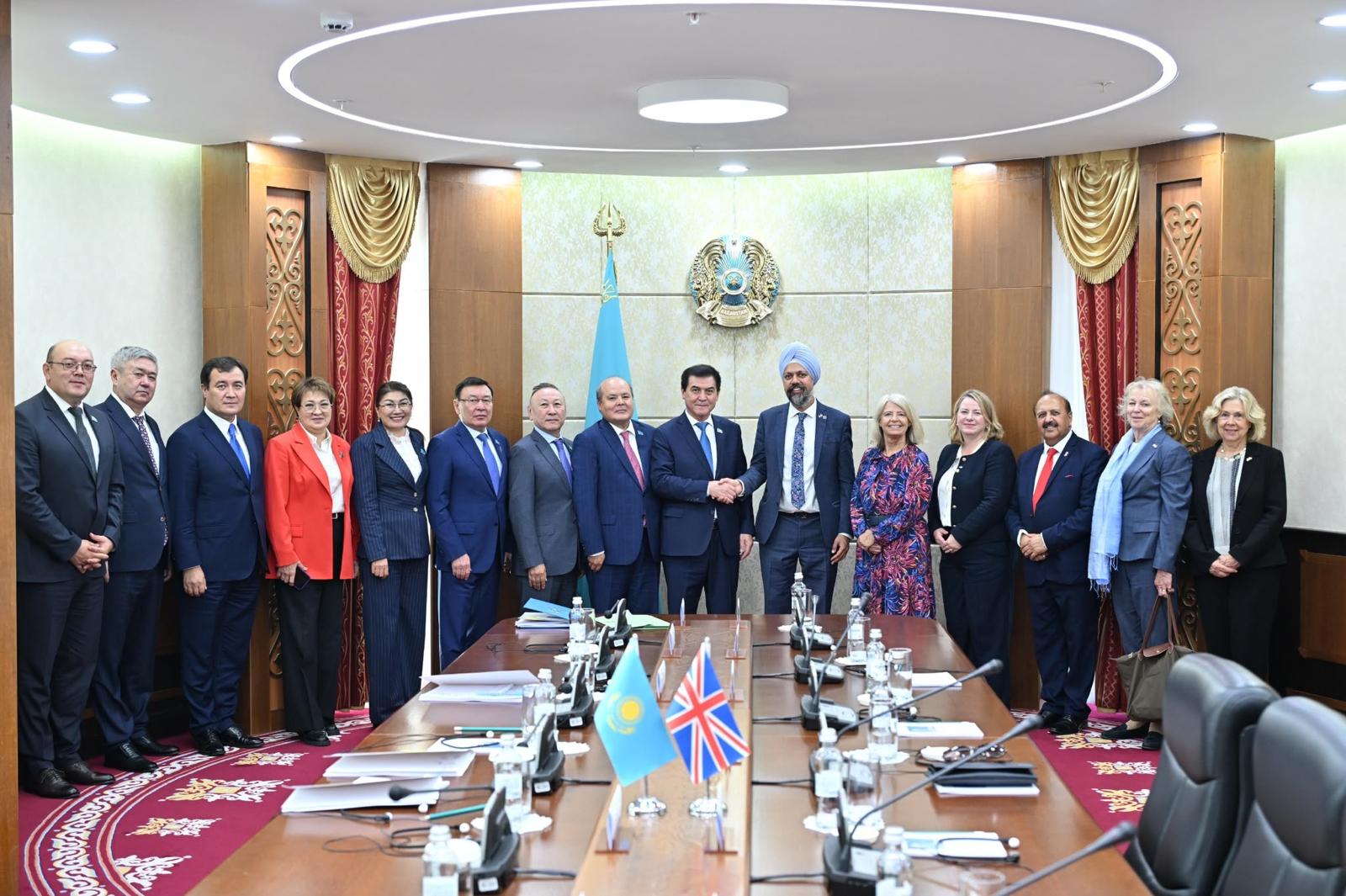
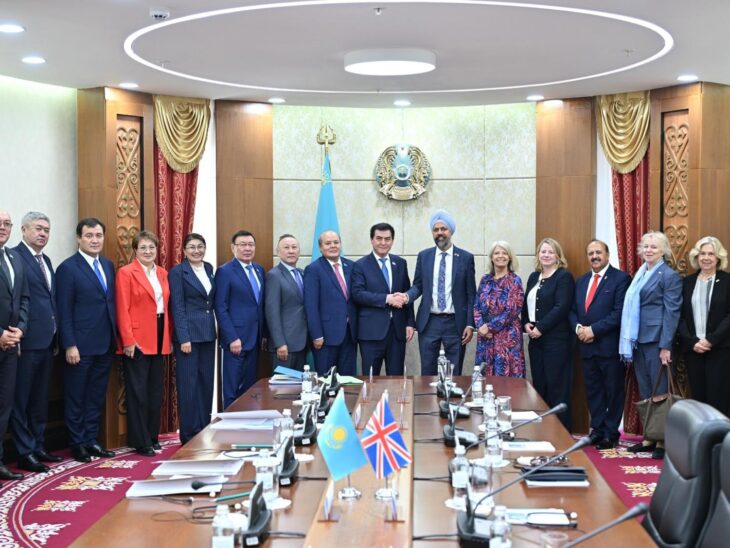
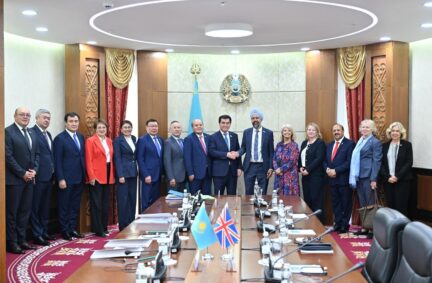
The next day we visited the Kurultai, a unicameral legislature created in June 2026 following constitutional reforms that replaced the former bicameral Parliament (Mäjilis and Senate). We met with the Deputy Speaker and newly elected members of the Kurultai, where we discussed the new 2026 constitution. The unicameral Parliament comprises 145 MPs elected for five-year terms. Women hold 49 seats (33%), supported by a statutory 30% quota, alongside quotas for young people and persons with disabilities. There are also eight standing committees that oversee key public policy areas. The streamlined legislative process has already enabled the passage of four bills, and the constitution places significant emphasis on national values and public participation. Kazakhstan’s 130 ethnic groups are represented through regional public unions. Furthermore, a People’s Council has been established to ensure regional voices inform legislative development. Importantly, our delegation was the first international delegation officially received by the Kurultai since its establishment, representing an important milestone in Kazakhstan-UK relations.
Later, we met with Mr Arman Issetov, Deputy Minister of Foreign Affairs, where we discussed foreign policy and international relations. Kazakhstan pursues a multi-vector foreign policy, maintaining constructive relations with Russia, China, the United States, the UK, the EU, Ukraine and Afghanistan. Given its geographical position between Russia, China, Iran and other Central Asian states, strategic engagement across multiple partnerships is viewed as essential.
On Tuesday, we began our day by visiting the International Artificial Intelligence Centre (Alem AI). The delegation and I learnt about Kazakhstan’s ambitions to become a regional AI and data centre hub. Kazakhstan has established the region’s largest technology park, comprising of approximately 2,200 companies, including 502 foreign firms. Here, we also discovered that water security has been identified as one of the country’s most significant long-term strategic challenges. Almost half of its water resources originate beyond its borders, creating significant dependence on transboundary water systems. During our discussions, participants stressed the importance of enhanced international cooperation and greater UN engagement on this issue, and consistently described safe drinking water as a fundamental human right. Climate change and increasing water demand were identified as factors likely to intensify regional pressures.
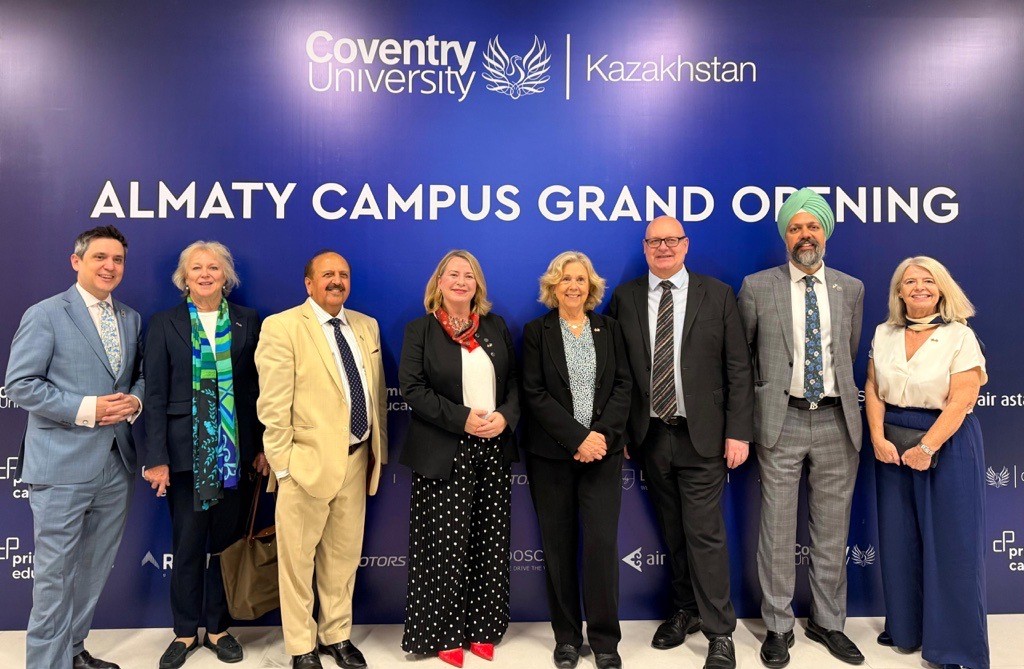
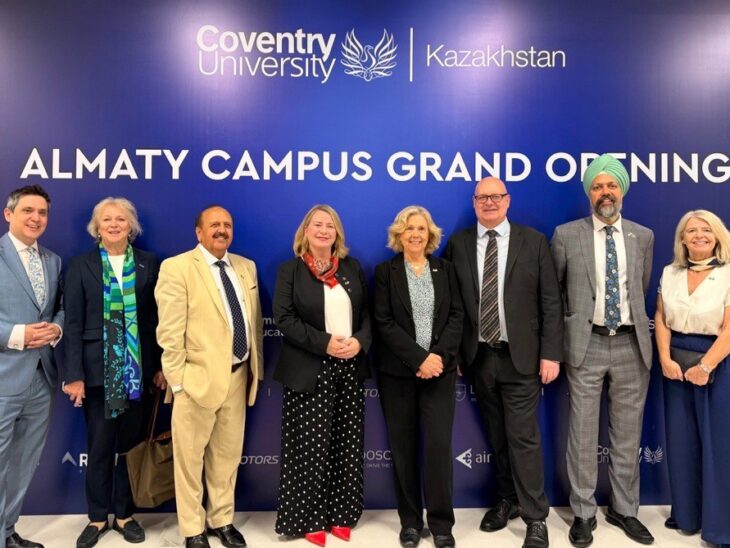
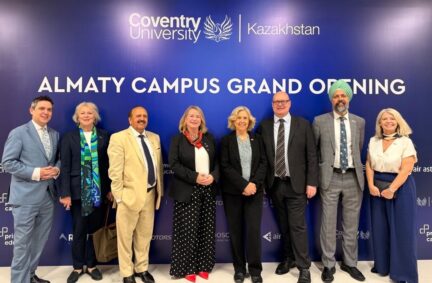
Later, we travelled to Almaty where we attended the grand opening of Coventry University’s campus. The visit highlighted the growing educational partnership between the UK and Kazakhstan. The country’s partnership model between government, universities and industry was identified as a key driver of workforce development. Universities are increasingly aligned with labour market needs, improving graduate employment outcomes.
On Wednesday 23rd, we met with the Deputy Akim (Deputy Mayor) of Almaty, Mr Nukenov Abzal Nukenovich. Discussions focused on urban governance challenges, many of which reflected issues experienced in UK constituencies.
Our delegation then met representatives from the Boston Consulting Group and other experts to discuss Kazakhstan’s critical minerals sector. Many key points were discussed, including the fact that Kazakhstan possesses substantial reserves of the critical minerals essential for advanced manufacturing, clean energy technologies, AI and defence industries. Additionally, Kazakhstan holds approximately 40% of global uranium reserves, alongside significant oil and gas resources. The country is actively seeking to diversify international partnerships, and opportunities were identified for increased UK engagement through investment, traceability standards and support from UK Export Finance.
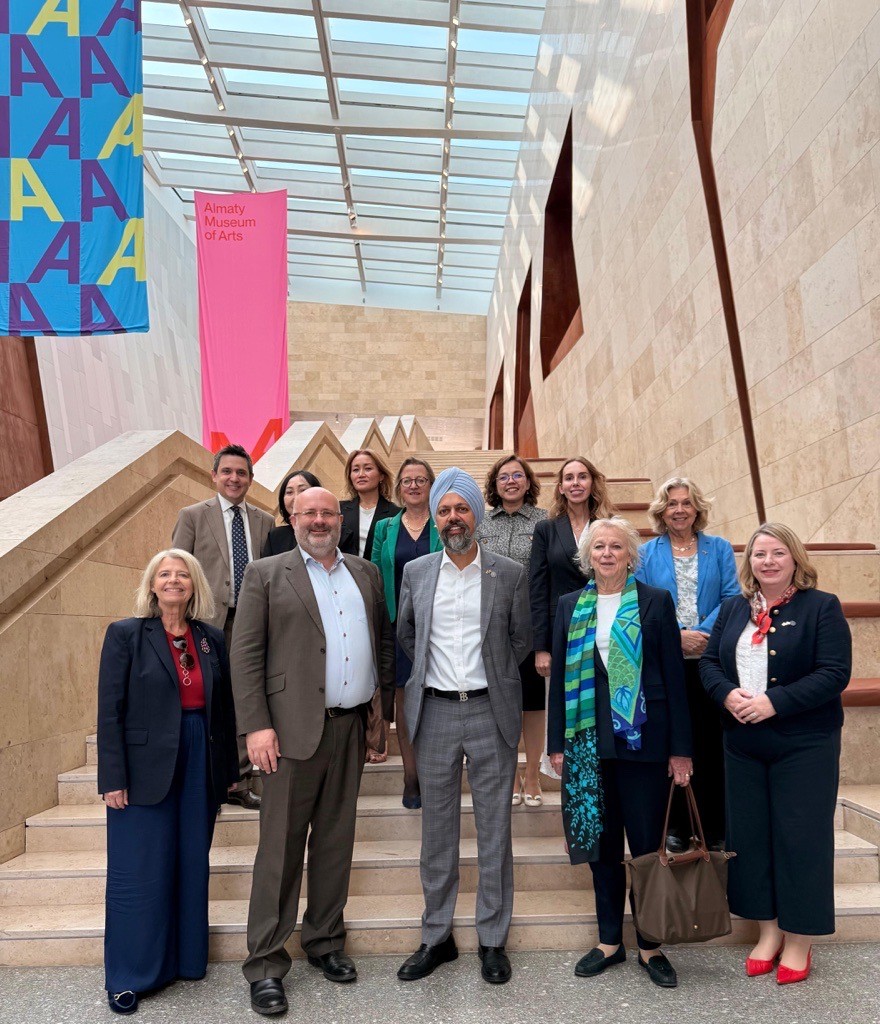
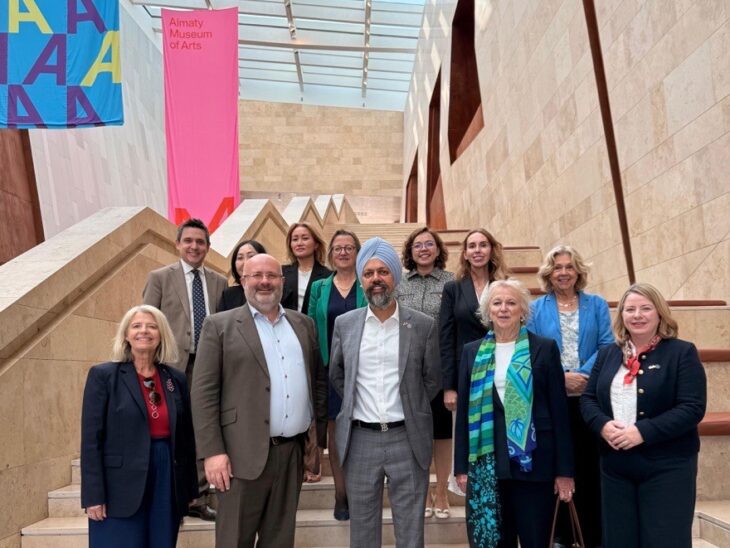
Before catching our flight back to the capital, we then visited the Almaty Museum of Arts and met with the Museum Director, and attended a working lunch with the British Chamber of Commerce and representatives from organisations operating in Kazakhstan.
On our final full day, we received a briefing from QazTrade on the development of the Middle Corridor trade route. Discussions focused on the UK’s current involvement and future opportunities to support corridor development and connectivity. Following this, we were hosted by HM Ambassador Sally Axworthy for a dinner with female Parliamentarians to discuss women’s representation and domestic violence. Domestic violence was identified as a major national challenge and government priority. Recent legislation has strengthened protections for women to address domestic violence and stalking. Draft legislation on workplace harassment is currently under development. Dialogue also explored pathways for increasing women’s participation in politics and improving female political representation at all levels of government.
Key Conclusions
Our delegation identified a number of areas where the UK and Kazakhstan can deepen cooperation and share expertise. These include Parliamentary engagement and democratic governance, particularly as the new Kurultai develops its legislative role; higher education and skills development, building on partnerships such as Coventry University’s presence in Almaty; and AI, innovation and digital infrastructure, including data centres and technology ecosystems.
There are also opportunities to work together on critical minerals and energy security, where Kazakhstan is seeking to diversify international partnerships, and the UK has expertise in investment, finance, standards and supply chain transparency; trade and connectivity, particularly through the development of the Middle Corridor as an alternative trade route between Europe and Asia; and water security and climate resilience, where both countries can support international cooperation and multilateral solutions.
Further areas include women’s political participation and gender equality, including efforts to tackle domestic violence and increase female representation in public life; and regional security and humanitarian issues, including Afghanistan, countering extremism and rehabilitation programmes.
We were able to strengthen both Parliamentary and diplomatic ties between our countries. The visit programme provided valuable insights into Kazakhstan’s political reforms, foreign policy priorities, economic development ambitions and social challenges. Our wide range of discussions with various key senior stakeholders highlighted Kazakhstan’s commitment to constitutional reform, increased political representation, technological innovation and regional stability.
I would like to extend my sincere thanks to Dominique Rees and Maggie El Beleidi, and all staff at the BGIPU for their excellent support in organising the delegation and facilitating the valuable Parliamentary exchanges that continue to strengthen the relationship between our nations.
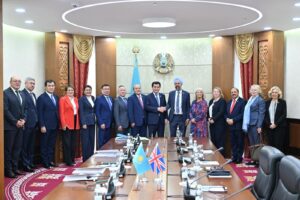
The UK delegation meet the Deputy Speaker and Members of the newly formed Kurultai.
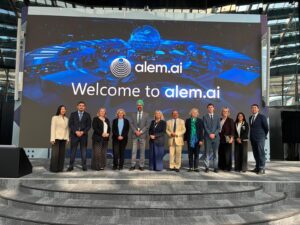
UK parliamentarians visit Alem AI, an international artificial intelligence centre, to learn more about Kazakhstan’s flagship initiative for digital innovation and technological development.
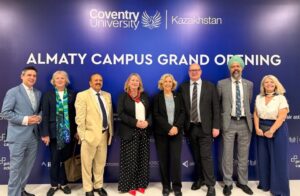
The UK delegation in Almaty visit the grand opening of the University of Coventry Campus, stood with Mr Michael Seaton, Founding Head of Charterhouse School in Almaty.
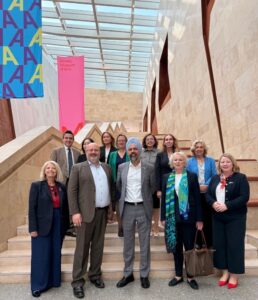
UK parliamentarians have a tour of Almaty Museum of Arts followed by a working lunch with the British Chamber of Commerce and representatives from organisations operating in Kazakhstan.