


IPU joins forces with partners to protect children’s rights in the age of Artificial Intelligence (AI)
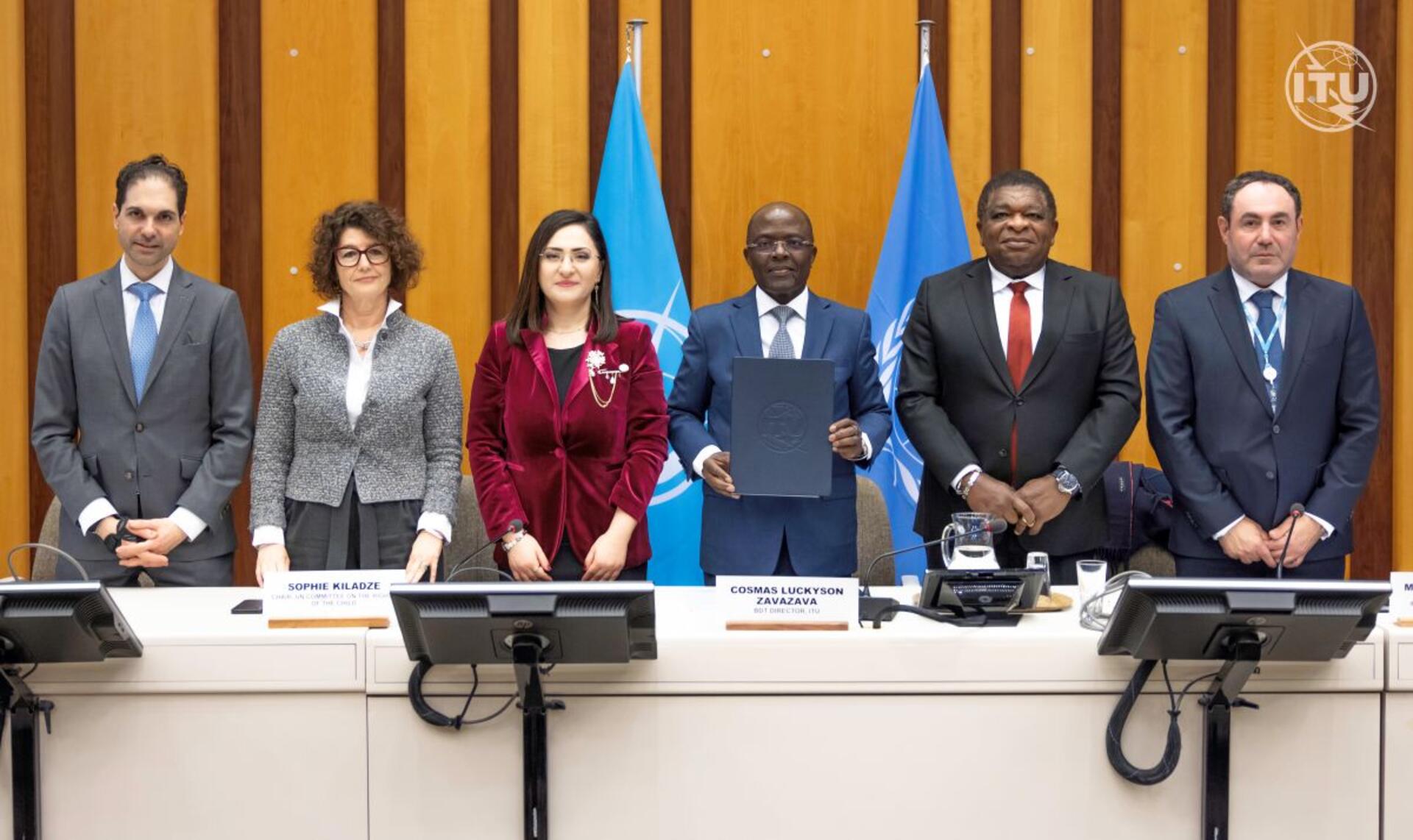
On 19 January 2026, the IPU joined a dozen UN bodies and international organizations in signing a Joint Statement on Artificial Intelligence (AI) and the Rights of the Child.
The Statement reflects a shared commitment to ensure that the design, development and deployment of AI are firmly grounded in the rights, safety and well-being of children, in line with the UN Convention on the Rights of the Child.
Protecting children
The Statement highlights that rapid technological advances, including AI, are transforming society and impacting children now and in the future. These changes present new opportunities as well as significant challenges due to children’s vulnerability.
It emphasizes that countries should adopt laws, policies and measures at all levels to ensure effective AI governance and to protect children’s rights in relation to AI.
The role of parliaments
The Statement notably calls on countries to “use the legislative, oversight, budgetary and public relations functions of parliaments in order to promote and protect the rights of the child in the context of AI”.
It also calls for training for relevant officials, including parliamentarians, on the opportunities and threats of AI, notably making reference to the IPU’s landmark resolution on The impact of artificial intelligence on democracy, human rights and the rule of law.
The IPU resolution, adopted by the global parliamentary community at the 149th IPU Assembly in Geneva in October 2024, urges parliaments worldwide to swiftly develop and implement robust legal frameworks and policies for the responsible creation, deployment and use of AI technology.
Message from the IPU Secretary General
At the high-level launch and signing ceremony, IPU Secretary General Martin Chungong emphasized the importance of collective action, saying: “No single government, agency, or sector can address the complex challenges AI poses to children’s rights alone.”
He highlighted that the broad coalition of signatories, spanning telecommunications, human rights, labour, education and disarmament, demonstrates that, amid rapid cross-border technological change, coordinated and inclusive international action remains the most effective collective tool.
Gender equality: Risks and opportunities
The Secretary General also underscored that AI can intensify gender inequalities, with girls disproportionately targeted by AI-enabled gender-based violence such as deepfake sexual abuse material, image-based abuse and online harassment.
On the other hand, well-governed AI can support personalized learning, assist children with disabilities, advance climate action and amplify children’s voices; and with a focus on gender equality, it can be used to challenge stereotypes, provide role models for girls in STEM (science, technology, engineering and mathematics) fields, and foster more inclusive education systems that uphold children’s rights.
Find out more about the IPU’s work on AI

© ITU