


Promoting Stability, Democracy and Strategic Partnership in Moldova and Romania
Following a very successful delegation to the UK from the Parliament of Moldova in November 2024 and a brief fact-finding visit by Anneliese Dodds and John Whittingdale last September, this outward delegation to Moldova and then onto Romania from 1 to 5 March 2026 was much anticipated.
The delegation was very balanced and harmonious. I led it as Chair of the British Group, IPU and the other members were: Rt Hon Dame Anneliese Dodds MP (Labour); Dame Harriett Baldwin MP (Conservative); Rt Hon Baroness Lindsay Northover (Liberal Democrat); and Lord Godfrey Cromwell (Crossbench). Anneliese is the former Minister of State for Development and Chair of the Labour Party; Harriett is a former Minister of State for Africa and a past Chair of the Treasury Select Committee; and Lindsay is a former Minister for International Development. We were accompanied by Joe Perry, from our BGIPU secretariat.
Chisinau
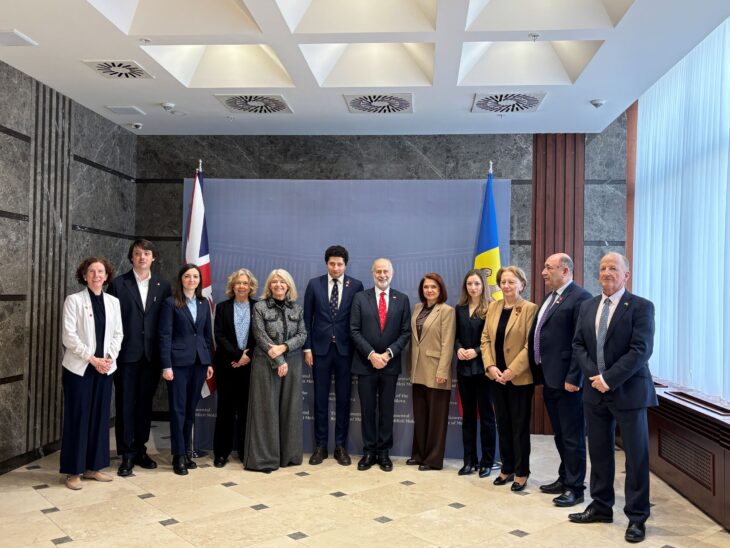
The visit was split into two parts, the first started with the flight to Chişinau on Sunday 1st March and our brief Moldovan programme began on Monday 2nd March with a meeting at the British Embassy in Chişinau where we were greeted by the Deputy Ambassador and staff for a briefing and discussion on the rest of the day’s meetings as well as the background to the politics of Moldova and its recent elections. We then walked to Parliament where we met with Radu Marian, Chair of the Parliamentary Friendship Group and well-known to us in the BGIPU as he led the recent visit to the UK. He also hosted lunch following a meeting with Ana Revenco, the Director of STRATCOM and her staff.
After lunch we met the Minister of Internal Affairs, Daniella Misail-Nichitin from where we went to the Audiovisual Council of Moldova to hear about the increasing centrality of social and conventional media on the outcomes of elections and how social media can be influenced or corrupted by hostile forces. In the evening we visited the famous Cricova Winery about forty minutes drive from the capital, where we were hosted for dinner by several Moldovan MPs.
Bucharest
On Tuesday morning, 3rd March, we flew the short flight from Chişinau to Bucharest for the second part of this delegation. After checking in at the hotel, we arrived at our first meeting with eLiberare, a civil society organisation which works on modern slavery and we were impressed at the work they are doing but horrified at the scale of the problem. Following that meeting we met the Presidential Adviser for National Security who brought us up to date with the current situation following the annulment of the presidential election in 2024 by the Constitutional Court and the circumstances in which it was necessary.
Our next meeting was at the British Embassy in Bucharest with Ambassador Giles Portman and his very helpful staff who briefed us on the state of politics in Romania and the consequences of the re-run presidential election. The Embassy had also invited a number of civil society organisations to talk to us about the Rule of Law, Democracy in Romania and Foreign Information Manipulation and Interference (FIMI) – a topic with special relevance to Romania given the outrageous attempts to subvert their recent elections. Dinner on Tuesday evening was hosted by a Senator who chairs the Labour, Family and Social Protection Committee and is also involved in the Romania-UK Parliamentary Friendship Group.
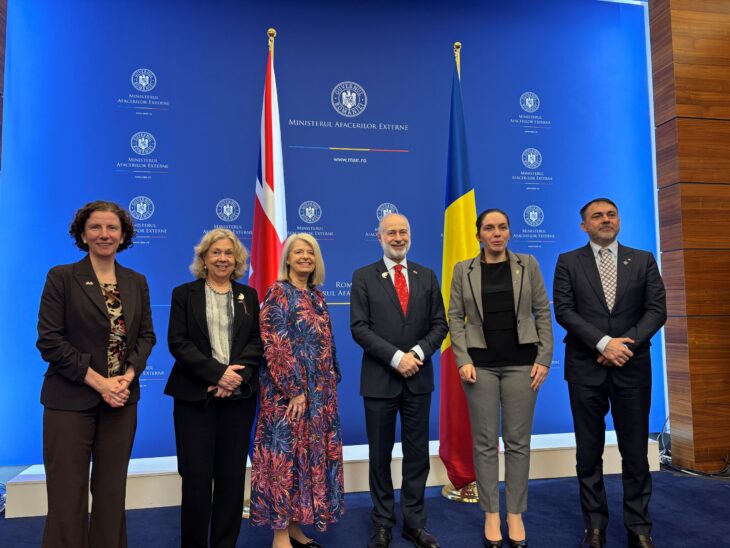
On the Wednesday we met many Romanian Parliamentary colleagues including members of the Senate and Chamber of Deputies’ Foreign and European Committees and the Parliamentary Friendship Groups of both chambers. Following that lengthy discussion, we had a brief but fascinating meeting with Mircea Abrudean, Speaker of the Senate. Lunch was hosted by the Chair of the Parliamentary Friendship Group, Alina Ştefania Gorghiu. The rest of the afternoon was taken up with meeting Defence, Public Order and National Security Committee members after which we had a very useful and informative session with the State Secretary of Defence, Planning and International Relations and his officials. Dinner that evening was hosted by Senator Mihai Coteț, Deputy Speaker of the Senate.
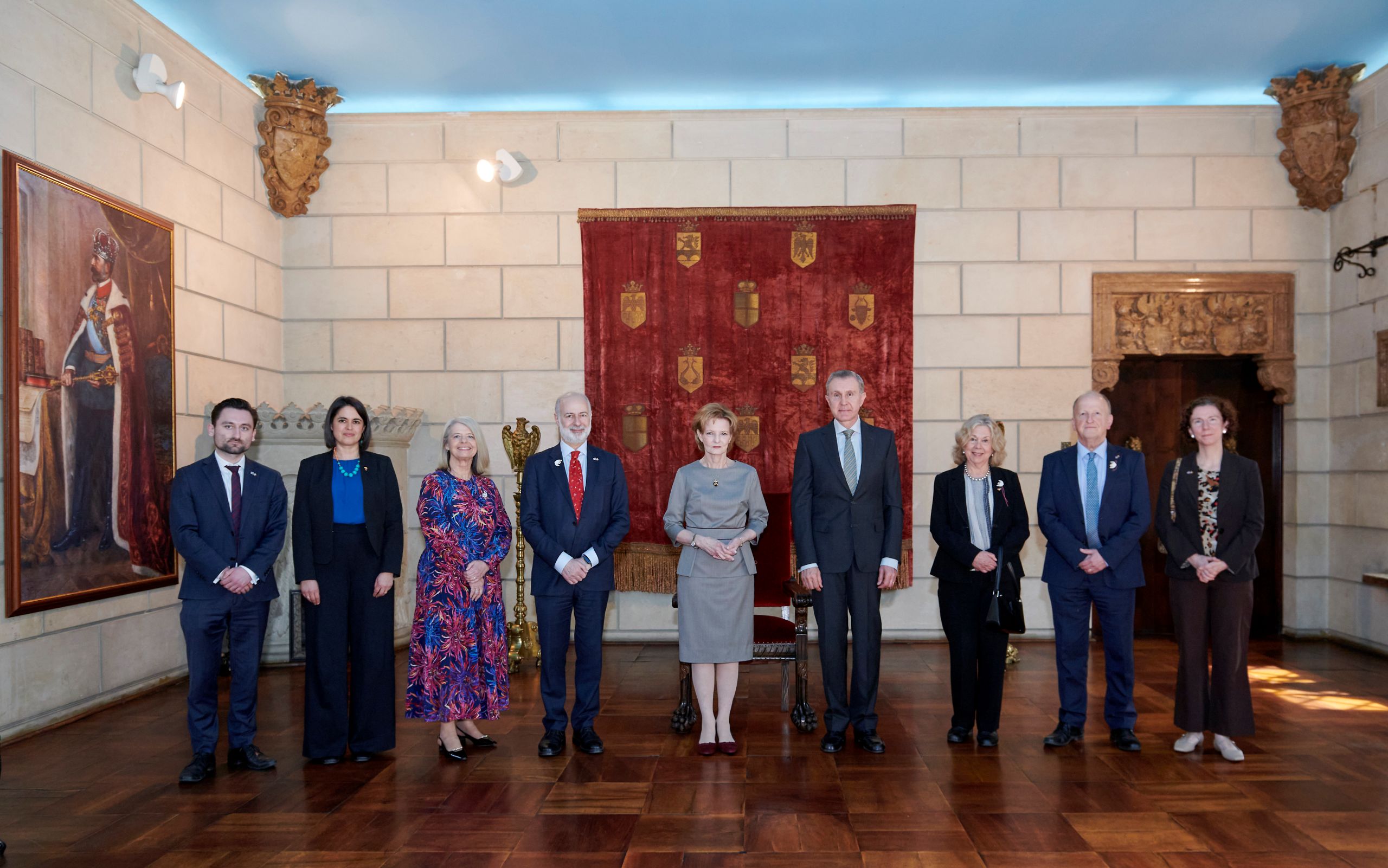
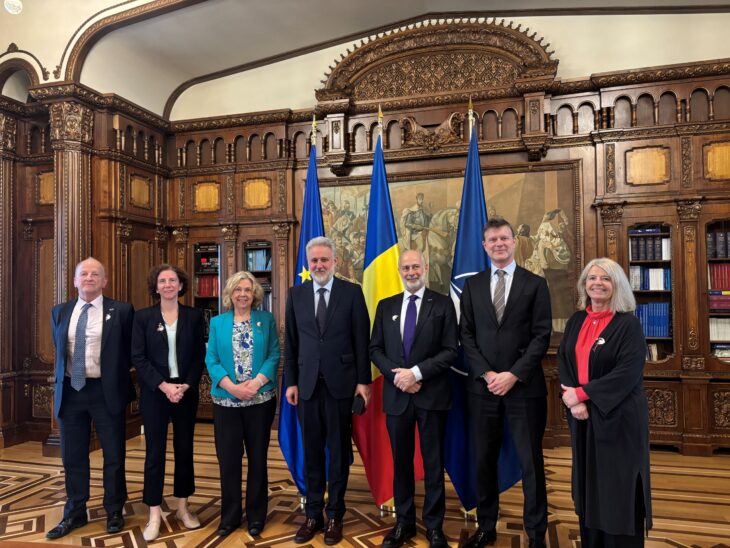
Our final day was brief as we had to fly back to London that afternoon. After a highly informative meeting with State Secretary for European Affairs, Clara Staicu, we were driven to the Royal Palace for lunch with Her Majesty Margareta and her husband, His Royal Highness Prince Radu. During our meal we were given an extraordinary insight into the way in which the former Royal Family of Romania works to assist the Republic of Romania and its government in any way they can, without ever interfering with the democratic process. Margareta grew up in exile in the UK where she was also educated, graduating from the University of Edinburgh in the early 1970s. It was a great end to an amazing and highly fascinating visit.
Other Observations
Finally, I am grateful to Dame Harriet Baldwin for her following observations and conclusions:
Moldova and Romania are solid allies on the Eastern flank of Europe. They are both experiencing an enormous amount of pressure from the war in Ukraine and from being former close allies of Russia and the former Soviet Union.
The UK’s support for NATO; for countering hybrid threats; and for democracy were clearly recognised, acknowledged and appreciated. Our Embassy teams in both countries are well regarded and are delivering good results.
A trade envoy to Moldova would be welcome. There will be increased trade opportunities for UK companies with the reconstruction of Ukraine and UK businesses should send strong representation to the Black Sea Aerospace Defence and Security EXPO in May.
Chevening scholarships have been a great success but more could be done to counteract hybrid warfare with an investment in soft power through the BBC World Service and the British Council, particularly in Moldova. There are also opportunities for us to send more English as a foreign language teaching resources to Moldova in particular.
EU membership for Moldova should be kept separate from Ukraine’s application. Romania supports UK access to the EU SAFE programme.
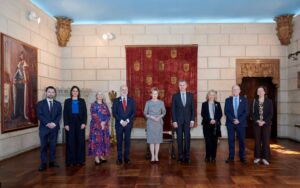
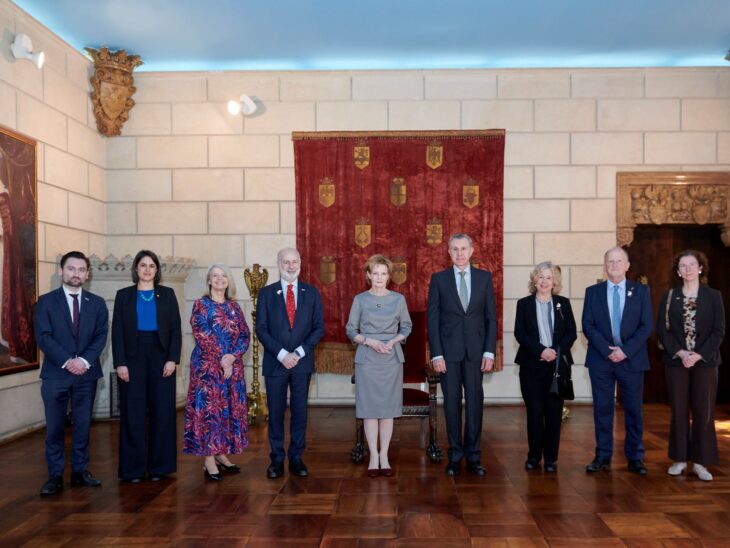
UK Delegation with HM Margareta, Custodian of the Romanian Crown, and HRH Radu
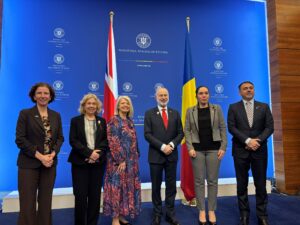
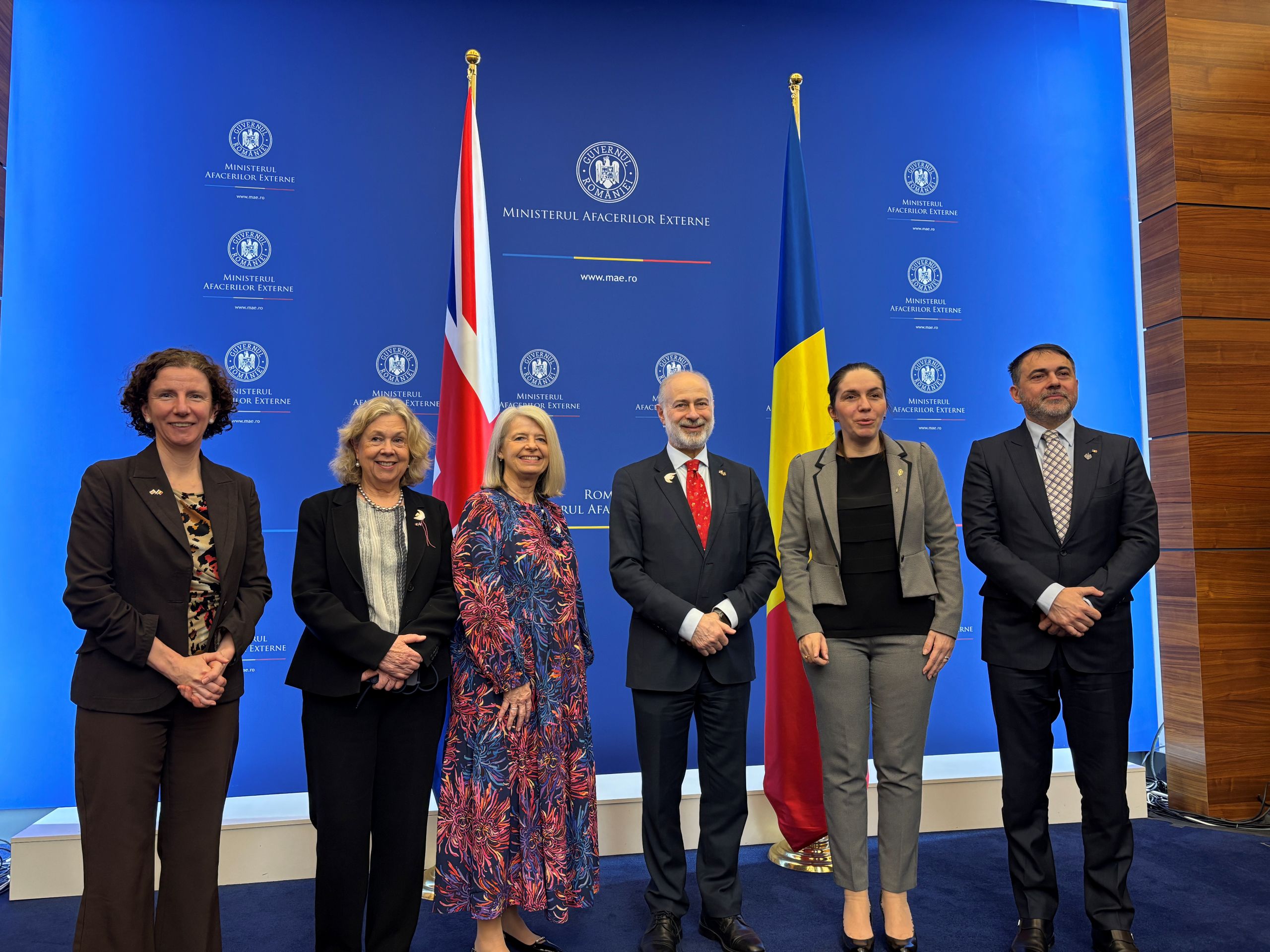
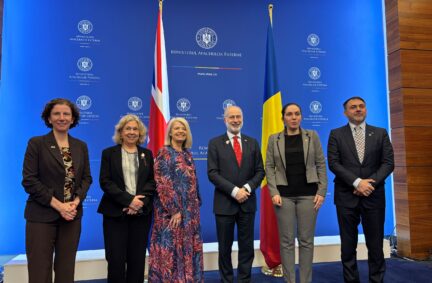
UK Delegation with Clara Staicu, State Secretary, European Affairs, Middle East and Africa in Romania
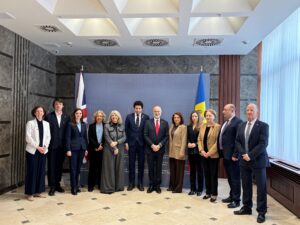
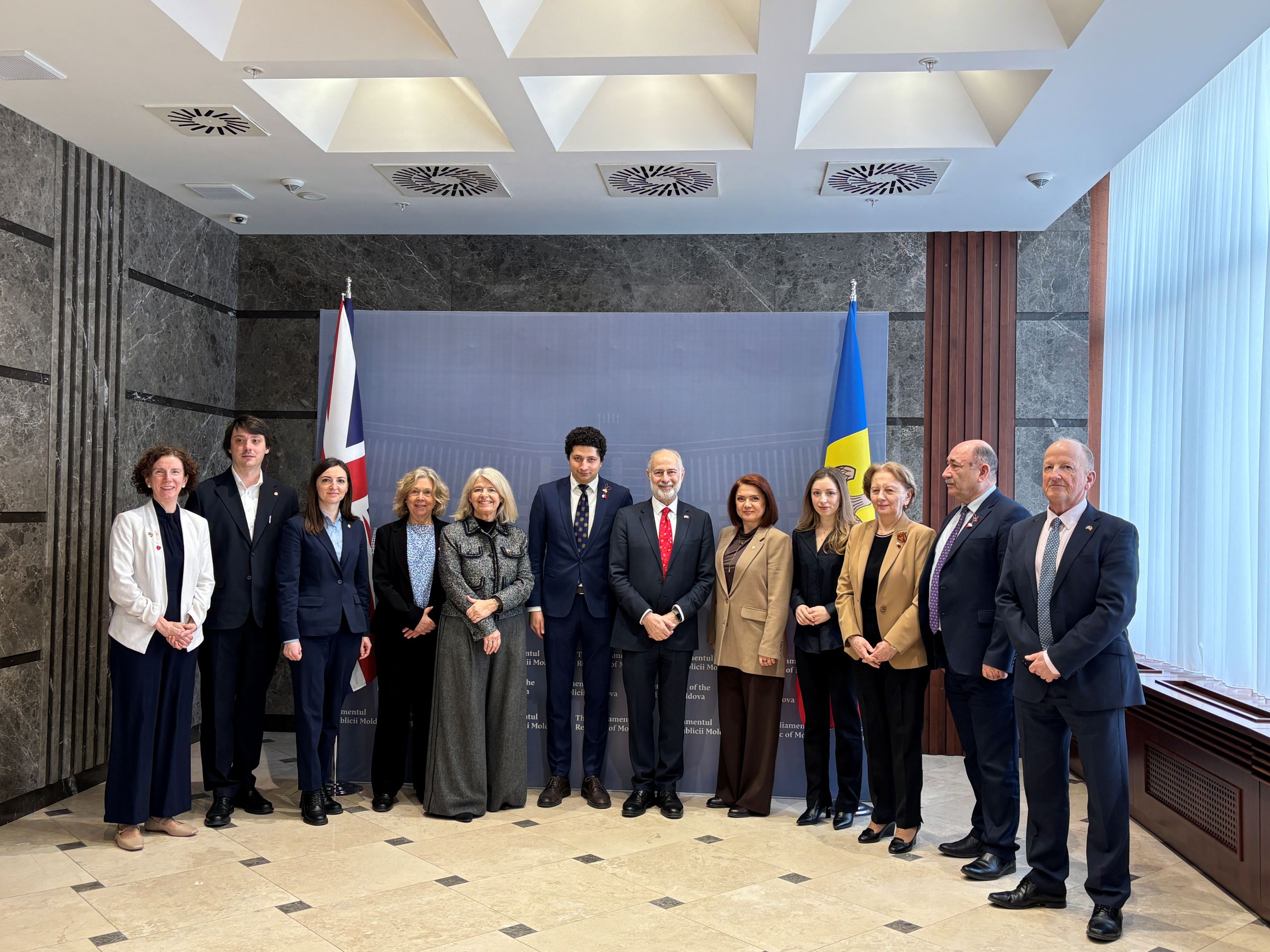
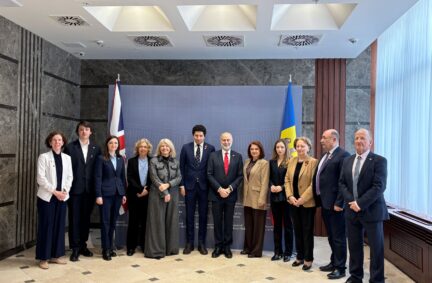
UK Delegation with the UK Friendship Group in the Moldovan Parliament
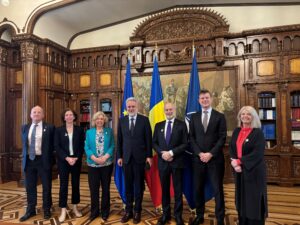
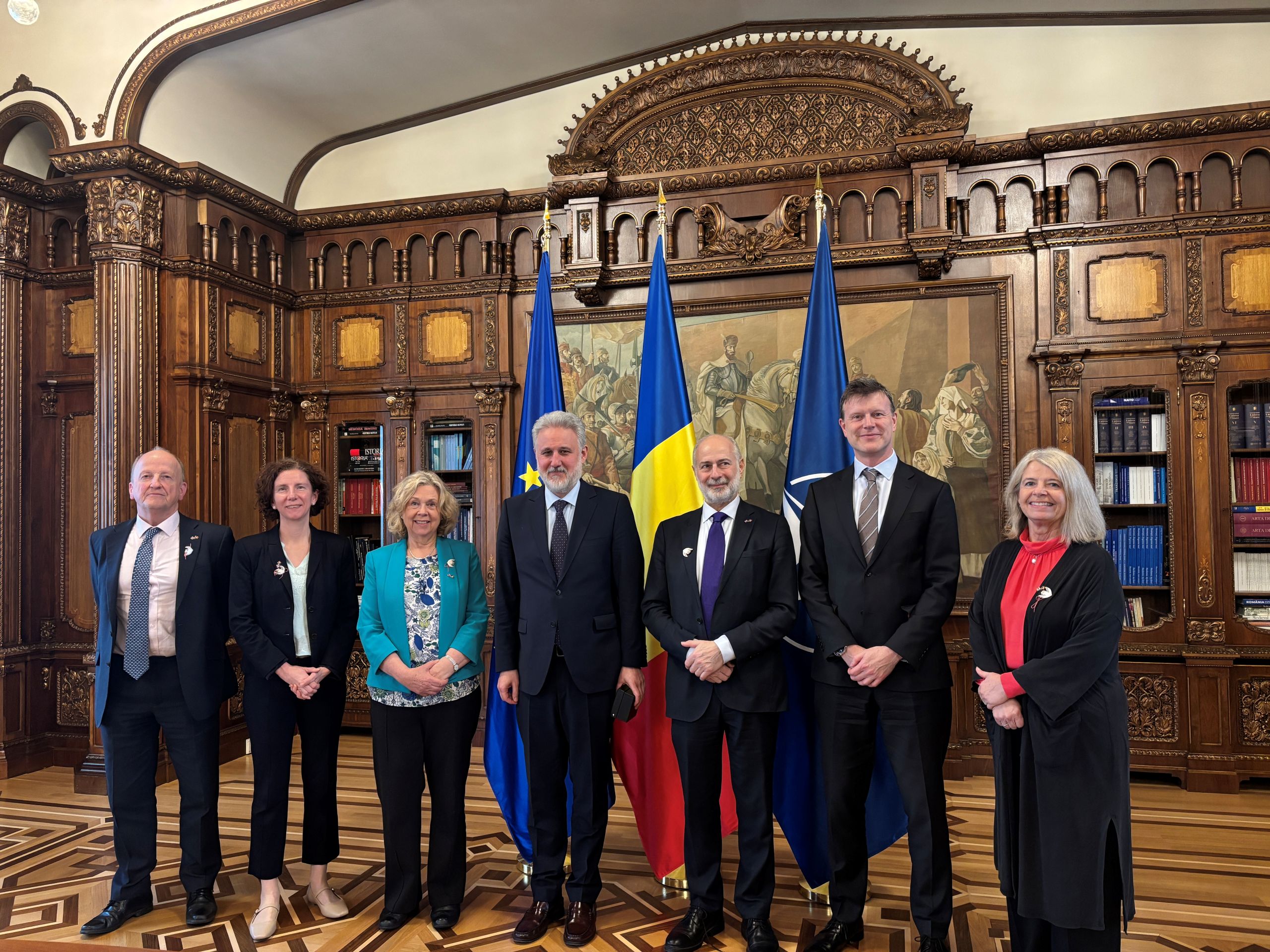
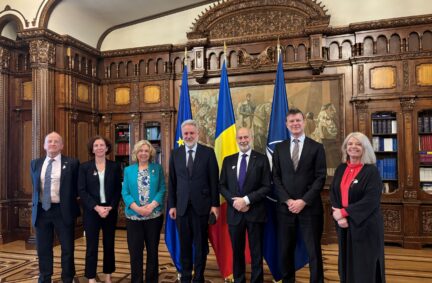
UK Delegation with Marius-Gabriel Lazurca, Presidential Adviser for National Security in Romania