


In support of IPU campaign, Zambia says yes to youth in parliament!
In 2025, the National Assembly of Zambia became the latest parliament to implement the IPU’s I Say Yes to Youth in Parliament! campaign. Work began in 2021 when the Speaker signed up to the campaign, followed by the creation of the Zambia Youth Parliamentary Caucus in 2022 and a national campaign launch in 2024.
Building on this, a new measure of success came in December 2025 when the National Assembly brought in a 5% quota for candidates younger than 35, together with quotas for women and people with disabilities. Although the youth quota is too low to ensure the country will meet the IPU’s targets of 15% of MPs being 30 and under and 35% of MPs being 40 and under, the first-past-the-post voting system means women and young people can still be elected outside the quota, making it an important step forward that can grow over time.
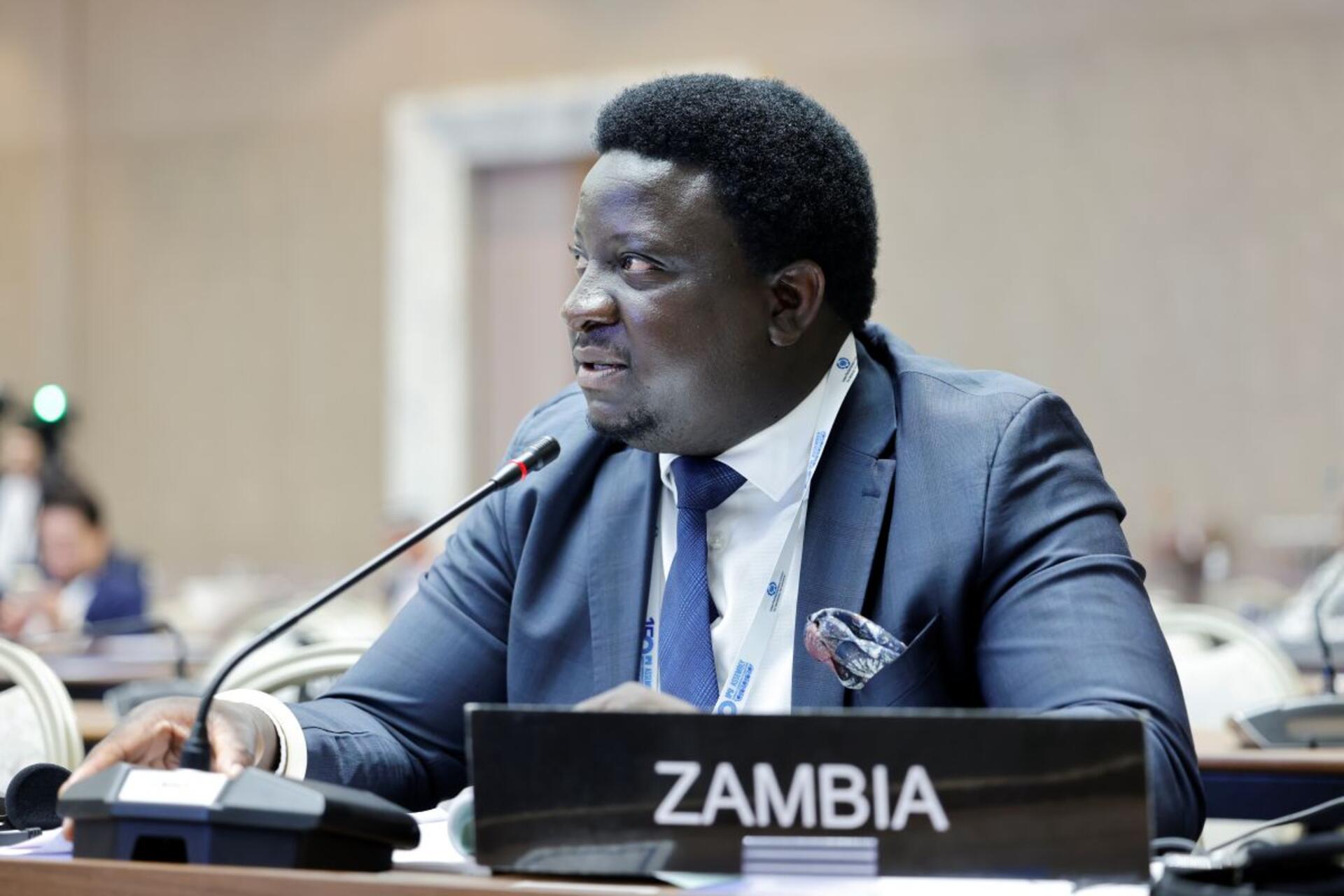
One of the driving forces behind the changes was Imanga Wamunyima, Secretary of the Zambian Youth Caucus and an active participant in the IPU Forum of Young Parliamentarians. Wamunyima played a significant leadership role in the reform process, backed by capacity-building and encouragement from the IPU. “The IPU directly impacted this process through engagement and the establishment of the Youth Parliamentary Caucus,” he says. “We championed this advocacy with the support of the IPU. There is no doubt that our engagement in the Forum of Young Parliamentarians has been of considerable help.”
The Zambia story matters because it is not just about quotas, it is about the sequence of change that led to them: the Speaker’s early commitment, the creation and strengthening of the youth caucus with the IPU’s support, and then a caucus leader playing a central role in shaping constitutional reform. Zambia shows how sustained engagement and relationships can translate into concrete outcomes.
The IPU puts forward three compelling arguments for greater youth participation. Firstly, democratic legitimacy: parliamentary representation should be a mirror of society as a whole. Secondly, youth participation leads to better policymaking, especially on issues of immediate importance to youth such as education and employment. And lastly, fostering rejuvenation in parliament: younger MPs bring new ideas, technological fluency, social media engagement and openness to flexible working practices.
Zambia’s example is especially important because it comes at a difficult moment globally for youth and women’s representation. Progress has stalled since 2023, with only 2.8% of MPs aged 30 and under, the same proportion as in 2023. Even more concerning, the share of women MPs under 30 has fallen, from 1.4% in 2023 to 1.2% in 2025. After years of steady improvement, the IPU figures show stagnation, and in some cases regression. Zambia represents tangible progress. For the IPU, the connection between long-term engagement, capacity-building and real legislative change is a real example of impact.

MP Imanga Wamunyima, Secretary of the Zambian Youth Caucus. © IPU